The aspect that how waste is normally treated & managed somewhere tells a lot about that place, & thus, Smart dustbins are the smartest solution in this regard.
In every bustling city, overflowing garbage bins are a common sight. They smell. They attract flies. They make our streets look neglected. But notwithstanding that, what if the solution to this everyday problem lies in a small, quiet innovation known as smart dustbins? Welcome to the world where technology meets cleanliness. It is futuristic. It is real, and it is happening now. These behind-the-scenes helpers try to keep cities more liveable and are becoming the quiet secrets of clean cities.
Smart dustbins look pretty normal from the outside. But inside, they have small sensors that measure how full the bin is. When the trash reaches a certain level, the bin sends out an alert to whoever manages waste collection in the area. No more waiting for bins to overflow. No more guessing. It is all data-driven, but in a simple way.
These bins are usually made of sturdy materials like steel or heavy-duty plastic. Some even run on solar energy. Others can compress the waste inside so it takes up less space. The goal is simple: make waste collection easier and more efficient.
Cities or waste management companies often track these bins using dashboards or mobile apps. They can see which bins are full, plan better routes for pickup, and avoid unnecessary trips. It is smart, but also straightforward.
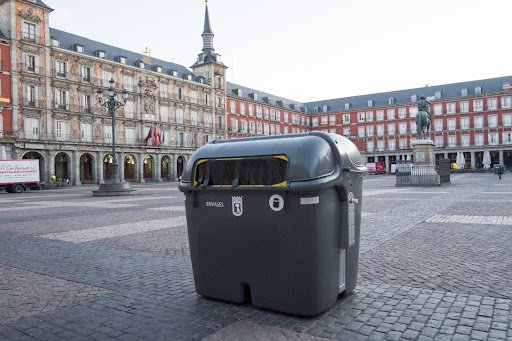
Smart cities aim to use tech not just for show, but to solve real problems, and cleanliness is a bigger problem. Smart dustbins help with this problem by stopping overflow before it happens. When bins are emptied on time, streets stay cleaner. No scattered garbage, no bad smells, and fewer pests hanging around.
But it goes deeper than that. When cities know exactly which bins fill up fastest, they can spot patterns. Maybe a park needs more bins, or some locations need more frequent pickups. This kind of insight helps improve services without throwing in extra effort or cost.
For public places like markets, schools, and bus stands, this makes a big difference. Clean surroundings create better moods and safer spaces. People feel more at ease, and that has a quiet impact on everyday life.
Like most new ideas, smart dustbins come with their own set of wins and worries.
Cleaner neighborhoods: Bins do not spill over, and garbage does not sit for days.
So yes, smart dustbins are a step forward, but like all smart tools, they work best when people behind them stay involved.
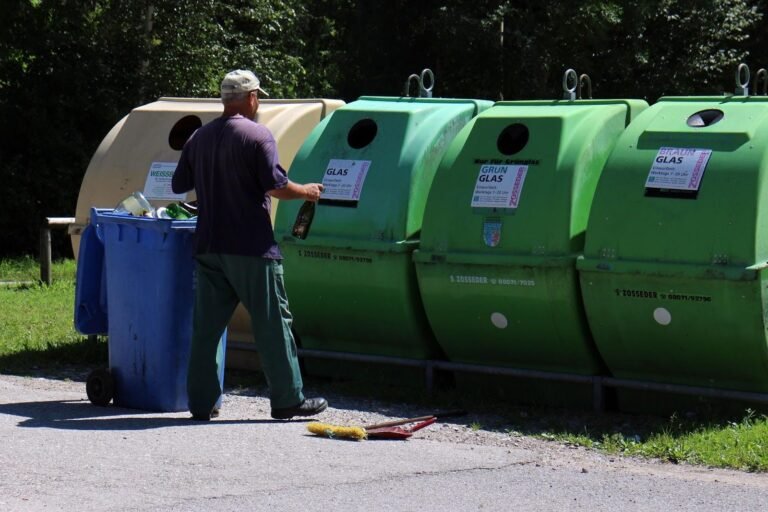
Smart dustbins will not fix everything. However, they can make a real difference, especially in cities that are growing fast and need better ways to manage the basics. They help cities act, not react, and this is where real change begins. At Wokegenics, we focus on practical tech solutions and tools that solve actual problems without complicating life. From smart infrastructure to connected systems, we help cities and teams move a little smarter every day.
Thinking about upgrading your city’s waste system or improving how your facility manages cleanliness? Let’s talk. Wokegenics is here to help you build something that lasts. Sometimes, the biggest impact starts with the smallest change. Even something as simple as a dustbin.
References:
World Bank – What a Waste 2.0: A Global Snapshot of Solid Waste Management to 2050
https://datatopics.worldbank.org/what-a-waste
Sensoneo – Smart Waste Management Solutions
https://www.sensoneo.com
Mr. Fill – Smart Solar Compacting Bins
https://mr-fill.com
Bigbelly – Smart Waste & Recycling Solutions
https://bigbelly.com
KORE Wireless – Smart Waste Use Cases
https://www.korewireless.com
Rubicon – How Smart Waste Technology Works
https://www.rubicon.com/blog/smart-waste
Exceed ICT – Smart Waste Management Benefits
https://exceedict.com.au/smart-waste-management
Sustainability Directory – Pros and Cons of Smart Bins
https://sustainability.directory
Cisco – Smart Cities and Waste Management
https://newsroom.cisco.com/feature-content?articleId=1931298
McKinsey & Company – The Internet of Things: Catching up to an accelerating opportunity
https://www.mckinsey.com/business-functions/mckinsey-digital/our-insights/the-internet-of-things
Smart Waste Europe – Environmental Impact of Smart Waste Collection
https://www.smartwasteeurope.eu
Smart Cities Council – Building Smart City Infrastructure
https://smartcitiescouncil.com
https://wheelsmine.weebly.com/blog/13-gallon-smart-trash-can