Ads top the list for marketing. But choosing its kind depends on the company’s strategy after comparing the costs incurred & the benefits achieved through them.
If you are building a tech startup, chances are you have already thought about running ads. It is one of the quickest ways to get your product in front of the right people. But with limited budgets and so many options out there, the confusion may arise as to where to start. Two platforms usually ace the list: Google Ads and Facebook Ads. Both are powerful tools. But they work differently. Depending on what you are trying to achieve, running one might serve your goals better than the other. So let us break this down in the simplest way possible with a comparative analysis of their cost vs. benefit and what really works for early-stage tech brands.
First, let us get a basic idea of what each platform offers.
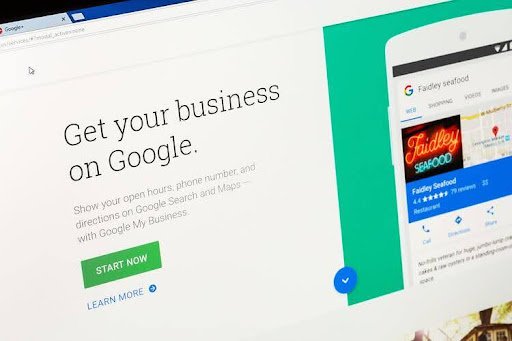
Google Ads works by putting your brand right in front of people who are actively searching for something. That could be “best HR tool for startups” or “task management software.” These users already have intent, which is a big deal.
Facebook Ads (that includes Instagram as well), however, target people based on who they are, what they like, their job title, location, or interests, even if they are not actively looking for a product like yours right now. It is more about brand discovery and building awareness among like-minded people.
Both have their strengths. The key is to know when to use which.
In short, if you are trying to make your brand known and reach a wide set of people affordably, Facebook is a strong place to begin.
If you are a new tech startup trying to get your name out there, start by focusing on Facebook Ads. They are less expensive, easy to test, and help you build a brand personality that connects with people.
But as soon as you know what people are searching for, or once there is enough demand in your niche, move into Google Ads. That is where the real conversions happen.
Moreover, in many cases, it is not about making a choice between one and the other. The smartest marketing strategy says to run both of them while testing constantly, and following the data. Start with a simple budget split, for e.g., 30% for Facebook and 70% for Google, and tweak it as you learn what works best for your audience in creating leads out of them.
At the end of the day, advertisements are not just about analysing numbers. They are about telling your story to the right people at the right moment. In case you are ready to experiment with ads or are unsure how to get started, we would love to help. At Wokegenics, our creative team works with startups, trained professionals, and institutions every day to plan, launch, and scale ad campaigns that do not just look good but also perform. Reach out Today.
Let us talk about how we can turn your ad budget into real results.
References:
https://adflex.io/blog/how-facebook-ads-targeting-works/
https://www.wordstream.com/blog/ws/2016/02/29/google-adwords-industry-benchmarks
https://www.webfx.com/social-media/pricing/how-much-does-facebook-advertising-cost/
https://www.webfx.com/blog/ppc/much-cost-advertise-google-adwords/
https://localiq.com/blog/search-advertising-benchmarks/
https://hallam.agency/blog/how-calculate-ideal-maximum-cpc-ads/
https://socialq.us/blog/navigating-the-rising-costs-of-facebook-advertising-in-2025/
https://azariangrowthagency.com/facebook-lead-ads-benefits/
https://jollymediamarketing.com/unlocking-the-potential-of-facebook-lead-forms-for-solar-ads-benefits-and-drawbacks/
https://bellestrategies.com/facebook-lead-gen-stats/