Cyberbullying is a rising concern in the digital space. The role of platforms thus becomes crucial to account for what is happening on their platform.
The Quiet Hurt of the Digital World
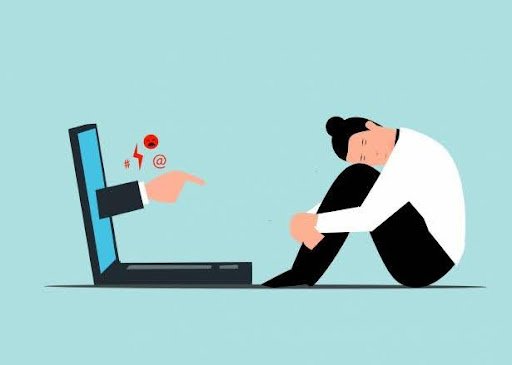
We are living in a time where everything is connected, be it messages, memories, or even milestones. Everything is happening online. But this digital progress has also led to many crimes, such as cyberbullying. It hurts more people than we probably realize. Unlike old-school bullying that ends when you walk away, this kind follows you home. It lives in your phone, your inbox, and your notifications. It hides in comment sections, anonymous messages, and even memes. Moreover, sometimes, all it takes is one mean post to ruin someone’s whole day or worse, damage their self-worth. Kids, teenagers, and even adults, no one is truly safe. The worst part is that often, the bully walks free, protected by a screen and silence. Under these circumstances, the role of platform accountability becomes more crucial.
Role of Platform Accountability
We can not always control what people say. But we can ask: why are platforms letting it slide? If someone is being harassed on a social app, shouldn’t the app step in? These platforms are not just neutral spaces. They are digital homes for millions of people. And with that comes a kind of responsibility. A duty to protect, moderate, and respond.
Yes, it is not an easy job. But when a company creates a space for people to connect, it can not turn a blind eye when those connections become toxic. Platform accountability is not about punishment. It is about care. It is about stepping in when things go wrong, listening when people speak up, and making sure no one feels invisible when they are being hurt.
Now, to be fair, some platforms have started waking up to the problem. They have added tools and filters. They have updated policies. But are these efforts enough? Sometimes yes. Many times, not quite. Here is what some of the bigger platforms are doing:
They have built filters that warn users before posting something rude. There is also an option to ‘restrict’ someone, so you do not have to block them, but they will not know if you are ignoring them either.
Twitter has community rules and tools to report harmful tweets. Many users, however, still feel like their complaints do not go anywhere or that the action is too slow.
Creators can now hold comments for review and even block specific words from appearing under their videos. It helps, but again, a lot depends on who is managing the channel.
TikTok nudges users before they post something that might be hurtful. They have also improved privacy controls, especially for younger audiences.
There are filters, content reviewers, and reporting tools. But the tangible difference will need platforms to stop thinking of abuse as a user problem and begin tackling it as a system failure they need to address.
Tech is supposed to be something that makes our lives easier, not something we are afraid of. A safe space is not a luxury. It is a basic need. And when someone uses your app, your site, your service, they are trusting you to create that space.
It is not just about policies. It is about how platforms make people feel. Do users feel seen when they report something? Do they feel protected when they speak up? Do they feel safe just being themselves? If the answer is no, then something is broken.
At Wokegenics, this is not just a technical issue; it is personal. Every time we build a digital product or platform, we ask: “How will this make someone feel?” We do not just offer tech services. We design systems that put people first. From in-built reporting features to smart content moderation to custom complaint redressal tools, our team takes platform safety seriously.
We work with startups and businesses to make sure their digital spaces are not just scalable, but also safe, kind, and human. For us, building tech is not about pushing code. It is about protecting people who use it.
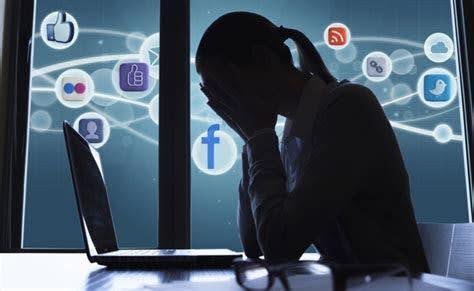
Cyberbullying does not occur as infrequently as people think. It is a part of daily life for people. It is something people deal with every day. It leaves marks that are not always visible. However, change is possible. If the platforms begin taking safety as seriously as they now take growth, then maybe we can see a change. If users continue to complain, we might just see a shift. If users keep speaking up, and companies keep listening, we might make the internet a little softer, a little safer.
It will not happen overnight. But it can start today with better tools, more empathy, and stronger accountability. Because at the end of the day, the internet is not just wires and screens. It is people. And people deserve to feel safe.
Written for the ones who log in every day, hoping to be heard, not hurt.
References:
https://www.broadbandsearch.net/blog/cyber-bullying-statistics
https://www.wired.com/story/covering-comments-instagram-newest-anti-bullying-tool/
https://www.theverge.com/2021/3/10/22322814/tiktok-inappropriate-or-unkind-comments-warning-pop-up-anti-bullying
https://www.psychologytoday.com/us/blog/social-media-stories/202103/combating-cyberbullying-tiktok
https://www.vox.com/recode/2022/10/20/23413581/instagram-nudging-meta-creators-wellbeing-bullying-harassment
https://www.thejakartapost.com/life/2016/12/09/instagram-releases-new-anti-cyber-bullying-feature.html
https://cyberbullying.org/social-media-cyberbullying-and-online-safety-glossary
https://www.atlantis-press.com/article/125975789.pdf
https://www.stopbullying.gov/sites/default/files/documents/Cyberbullying%20Guide%20Final%20508.pdf
https://cyberpsychology.eu/article/view/33546