As they become popular entertainment industry, deepfakes refer to AI-generated fake media content that can be used to mimic models’ appearances & voices.
In a video circulated online in April 2023, the Bollywood actor Shah Rukh Khan was seen campaigning for a political party. However, the problem was that he never did that in actuality. It was an entirely fake video, yet frighteningly real-looking. It fooled millions. That was not a mere online rumour; it was a deepfake, a cutting-edge technology that draws on artificial intelligence, and that is rocking online worlds as varied as pornography and politics. Deepfakes are already more than just internet pranks or funny filters. They are becoming a serious force in the entertainment world, raising big questions: Are they changing the game? Or are they playing a dangerous one? In simple words, are they really a transformation or a threat in disguise?
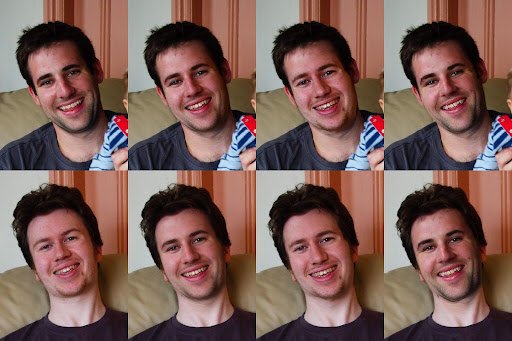
Deepfakes are videos or audio clips in which a person’s likeness, voice, or movements are digitally replaced or altered, making it look like they said or did something that they actually never did in real life. The term comes from “deep learning” and “fake,” combining advanced machine learning with video editing. The technology uses AI and neural networks that make the replacement with impressive accuracy.
In order to make them, creators use tools like:
These tools, once complex, are now shockingly easy to use. All you need is access to video footage or photos, and in some cases, just a few minutes of voice data. That is it. Moreover, they are absolutely free and accessible without even downloading the apps. The software does the rest, frame by frame.
At first glance, deepfakes might sound like a filmmaker’s dream come true. In fact, they are already reshaping parts of the industry. They are proving to be a revolution in film-making and content creation in the following ways:
In the 2016 movie Rogue One: A Star Wars Story, the late actor Peter Cushing was digitally brought back to life. His face was recreated by using deepfake-like CGI technology, which was layered onto a stand-in actor. The results were stunning, though a little unsettling.
In the film The Irishman (2019), Robert De Niro and other actors were de-aged digitally by the use of similar tech. Instead of hiring younger actors, studios now have the option to simply rewind age digitally, saving time, keeping talent consistent, and creating believable timelines.
Deepfakes can also synchronize actors’ lips to different languages, making dubbing seamless. Instead of misaligned audio and distracting subtitles, global audiences get smoother viewing experiences in the ease of their own language without compromising the quality of the content.
Instead of putting actors in danger, deepfakes allow their faces to be mapped onto professional stunt performers. This reduces injury risk and speeds up production.

There is no doubt that deepfakes offer groundbreaking potential, like:
South Indian actor Prabhas was featured in a regional ad campaign across multiple states. Each version had him speak different local languages, thanks to AI voice and face cloning. It saved lakhs in production and expanded his reach exponentially.
However, the darker side is just as real and more concerning:
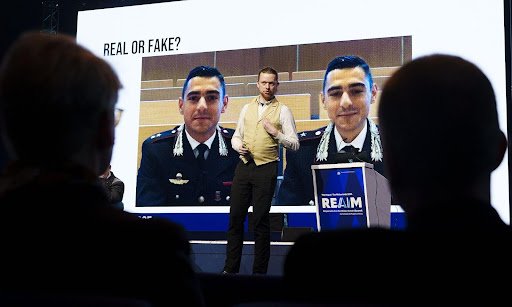
Tom Cruise’s fake TikTok videos by the handle “@deeptomcruise” went viral in 2021. While labeled as satire, many could not tell the difference. Deepfakes like these blur the line between harmless fun and dangerous deception.
Deepfakes can not be said as either good or bad on their own. Like most technologies, their impact depends on how we use them. In the entertainment industry, they are a double-edged sword, offering a toolkit for storytelling brilliance, but also holding the power to mislead and manipulate. As viewers, we need to have media literacy and awareness of identifying such fake content. As creators, we need ethics. And as businesses, we need responsible innovation.
At Wokegenics, we develop and integrate technology with a human-first mindset. Whether it is deep learning, video synthesis, or media protection tools, we believe that innovation should empower, not exploit.
If you are a content creator, media studio, or platform looking to explore ethical deepfake technology, we can help build the right tools to secure, scale, and aware audience. Let us create what is next, without crossing the line. Do contact us today for a demo or consultation.
Citations & References
BBC News, 2023 – Rashmika Mandanna deepfake incident
Forbes, 2021 – “DeepTomCruise” on TikTok sparks concern
PwC India – The State of DeepTech in Media 2023
https://murf.ai/blog/deepfake-voices
https://www.marshcommercial.co.uk/articles/avoid-being-tricked-by-deepfake.html
https://www.ndtv.com/science/rashmika-mandanna-zara-patel-unmasking-deepfakes-tips-for-identifying-manipulated-videos-4553898
https://www.forbesafrica.com/technology/2023/01/16/when-seeing-is-no-longer-believing-an-african-take-on-the-cost-of-deepfakes/
https://indianexpress.com/article/explained/explained-sci-tech/deepfake-video-rashmika-mandanna-how-identify-9015867/
https://www.youtube.com/watch?v=9GhQxfRV7m4
https://philstarlife.com/geeky/780086-tom-cruise-tiktok-deepfake