Eco-friendly devices are energy-efficient tools that are made sustainably, optimized efficiently, packaged environmentally, and recycled circularly.
When opening the package of a new shiny device, nobody wonders or even wants to think of what it might cost. Beneath the smooth exterior, many tons of raw materials, water polluted with acid, and energy waste hide. However, under the threat of environmental problems and climate change, there is a new question to ask in the tech world: can we build smart, powerful devices without wasting? Well, the good news is that many companies are already working toward this goal, and the better news is that it is already possible because there is a budding market for such machines due to growing awareness among the masses. This article explores how eco-friendly devices are manufactured, how the process can be optimized to minimize material waste, and what tech companies like Wokegenics are doing to encourage and contribute to creating a greener and more conscious-oriented future.
Eco-friendly devices are electronic tools that have been designed with the environment in mind, starting right from the type of raw material and packaging used, to the end of each tool’s life, i.e., how it is disposed of. Its goal is simply to reduce harm while still delivering performance. It is aimed at reducing carbon footprints while being a part of the circular economy. These devices are made using:
The focus is not just on using green parts, but on designing the entire life cycle of the device responsibly.
Building without waste means thinking beyond the product. It requires reimagining how we design, make, and manage electronics. Here are five principles that companies should keep in mind:
Choose recycled, biodegradable, or renewable resources instead of new plastic or rare metals. This reduces the demand for raw extraction and helps protect ecosystems.
Create products that can be easily taken apart. This makes repairs, upgrades, or recycling simpler and more efficient, keeping devices in use longer.
Adopt processes that reduce leftover materials, excess packaging, and water waste. Smart production lines ensure that only the needed quantity is used.
Use components that draw less power during use and while charging. Devices that run on minimal energy have a much lower carbon footprint.
Consider what happens to the product after its life. Can it get sent back, reused, or replaced? A closed-circle system retains goods in the chain and away from dumps.
Here are six standout examples of how companies are already building better, cleaner, and smarter:
Fairphone allows users to easily replace broken screens, cameras, or batteries. It is built from ethically sourced materials and is designed to last for years.
This laptop allows users to replace and upgrade nearly every part, from RAM to the motherboard. Its packaging is fully recyclable, and shipping is carbon-neutral.
Samsung uses recycled metals and plastics in selected models. The brand has also eliminated plastic from the packaging and encourages device trade-ins.
Made with over 60% recycled plastic, these printers also use less energy and offer eco-printing options that reduce ink and paper usage.
These Bluetooth speakers are handmade from plastic waste and run on batteries repurposed from old e-bikes. Each piece is unique and locally made.
These devices harvest energy from sunlight, which is suitable for remote areas or for users trying to cut down on electricity use altogether.
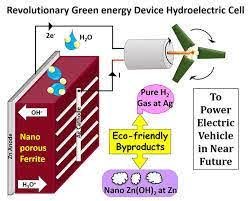
Eco-friendly technology is not a far-fetched concept anymore. It is already here, and it is growing. From design studios to manufacturing floors, companies are making conscious changes that add up to a big impact.
At Wokegenics, we are committed to helping startups and tech-driven brands build sustainable electronics from scratch. Our approach focuses on smart design, efficient production, and long-term usability. We work closely with our clients to ensure their devices are not only high-performing but also light on the planet.
The truth is, building without waste is not just a technical challenge; it is a mindset shift. One that begins with asking better questions and ends with better products. And with companies like Wokegenics leading the way, the future of tech might just be as green as we hope. Let us build better. Let us build responsibly. Together
References:
https://types.blog/types-of-eco-friendly-materials/
https://www.unsustainablemagazine.com/eco-friendly-devices-and-gadgets/
https://perfect-hiring-822947.framer.app/sustainability
https://www.causeartist.com/case-study-fairphone
https://www.fairphone.com/en/impact/fair-materials/
https://forum.fairphone.com/t/would-upgradeable-design-be-more-sustainable/77525
https://www.reddit.com/r/framework/comments/13bhehn/is_framework_laptop_really_that_environment/