Where compassion meets smart technology, development finds its goal. For such tasks, AI was initially created to do social good and help humanity.
NGOs have always been the first to step in when things fall apart. They work with individuals who are most at risk, often in areas where help is scarce. They do it with very little, i.e., less money, fewer hands, and tough conditions. When governments fall short, NGOs feed the hungry, teach those left behind, rush in during disasters, and stand up for basic rights. But their work is getting harder. The problems are bigger. And so, quietly and steadily, many of them are now turning to smarter technology to keep going and to do even more. By using these thoughtful, practical AI tools that help, they work smarter, not harder. They are designed not to replace the human side of social good, but to help NGOs do more with less.
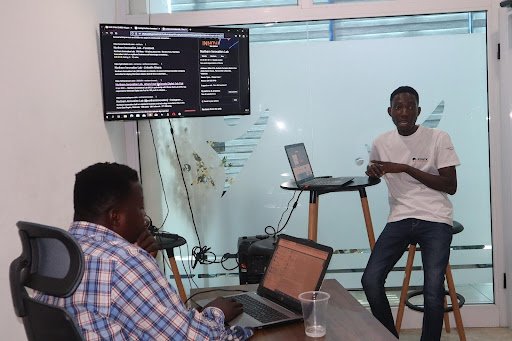
These are not futuristic ideas. These are real examples of how NGOs today are blending compassion with computing.
Many NGOs are now using smart tools to predict disasters like floods, earthquakes, and wildfires. These tools study satellite images, weather reports, and past data to warn people early. Flood AI systems like Google’s Flood Hub, active in Bangladesh, are accessible to NGOs for early disaster warnings.
Trafficking often hides in plain sight. Some NGOs are using technology to track strange online patterns. Fake job ads, repeated transport bookings, or suspicious movements can raise a red flag. Platforms like STOP THE TRAFFIK use digital tools and analytics to identify trafficking risks (AI use is plausible but not fully detailed). It gives NGOs a better way to stop crimes before they grow bigger.
In remote areas, finding trained teachers is a struggle. AI-powered learning apps are helping fill this gap. These apps adjust lessons based on how each child learns. If a child is slow, it repeats. If they are quick, it moves ahead. NGOs in India and Malawi are using these apps in villages where schools are far and few. It brings learning to places where it has never reached before.
During disease outbreaks, early warnings save lives. AI tools today can track hospital reports, travel routes, and even online chatter. This helps predict where the next outbreak might happen. NGOs like Médecins Sans Frontières use this information to send help early. One such tool, BlueDot, spotted signs of COVID-19 before most of the world even knew about it.
Fundraising is tough work. But now, AI is helping NGOs understand when people are more likely to donate. It also shows which campaigns work best and how to keep donors engaged. Platforms like Salesforce for Nonprofits help NGOs raise more money with less effort. Every rupee is made to count.
When help is needed, language should never be a problem. Real-time translation tools like Tarjimly are being used in refugee camps and disaster zones. They help translate medical advice, legal instructions, or even basic guidance on the spot. It ensures people get the right help, in the right language, exactly when they need it.
None of these tools is made to earn profits. They are made to solve problems. Real ones. They help NGOs do more, reach more, and save more. Not by replacing people, but by supporting them in the right way.
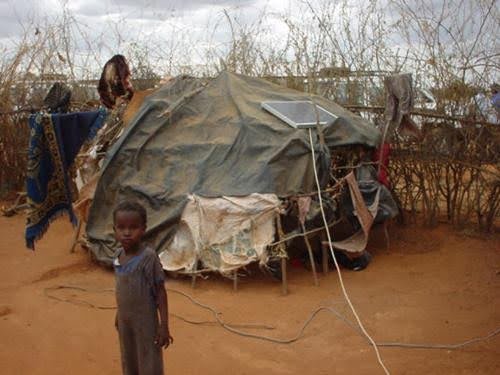
These tools are not made for profit. They are built to solve real-world issues for people who need help the most.
AIforNGOs is a platform created by Tamuku to empower NGOs to amplify their social impacts by leveraging the power of advanced AI technologies. Designed to transform the way NGOs manage tasks, it helps them in operational optimization, content creation, and fundraising.
Originally built in Kenya to map post-election violence, this tool now helps NGOs worldwide collect and verify crisis data. From flood reports in Pakistan to community violence in Brazil, it lets people report problems anonymously and maps them for quick action.
They continuously track and assess infectious disease threats. It flagged COVID-19 before many governments responded. NGOs use it to pre-position medicine, alert clinics, and stay ahead of public health threats. Its surveillance and intelligence solutions empower governments as well as manufacturers, distributors, and end users of medical countermeasures internationally.
Conservation-focused tool that lets NGOs monitor wildlife and stop poaching. EarthRanger is a real-time wildlife monitoring system developed by Vulcan Inc., used by conservation NGOs to protect biodiversity and prevent unlawful hunting.
A free mobile app that connects refugees and aid workers to volunteer translators. It bridges over 100 languages, enabling better communication during rescues, resettlements, or relief operations. Its mission is to remove language barriers for those who need critical services like healthcare and legal services. They offer remote and affordable free interpretation and translation services via their community of 65,000+ translators and smart AI technology.
A good CRM helps teams stay organised, manage donor relationships, and keep a clear view of their impact. With the help of built-in AI, it can even suggest the right time to reach out or take care of small tasks like sending thank-you notes and updates. These smart tools also help spot shifting needs early and give useful insights. That means better decisions, stronger donor connections, and more effective programs.
An initiative offering funding, tools, and mentorship for projects with a public impact. NGOs can collaborate with Google researchers and get access to AI tools to tackle big problems from climate change to mental health.
NGOs work with vulnerable people, survivors of war, children without homes, and communities without access. That means the stakes are higher when using technology. Responsible AI is not a fancy word here; it is a necessity. Some of the ethical ways that need to be heeded are:
AI in the nonprofit space should never be about speed alone; it should be about safe, careful support.

Artificial Intelligence, when used responsibly, can do miracles. NGOs may use them in their daily tasks of social good and help humanity with the power of tech. They can identify the needs, take action quicker, and serve better with the help of AI chatbots. They can automate tasks, streamline operations, and help people focus on more pressing issues than technical ones. Thus, AI acts as a boon in the sector of charity and goodness.
Wokegenics works with organizations that want their technology to mean something. From creating digital dashboards to helping integrate AI into field operations, the focus is on simple, ethical, and scalable tools. For NGOs, this means better planning, smarter resource use, and deeper impact. The future of social good does not need to be high-tech. But it does need to be smart, and that is where AI, when handled responsibly, can quietly change lives.