Education is changing. Learning is upgrading. Technological trends are advancing. Is this making traditional schooling obsolete? Let’s understand.
Picture this: a teenager in a small town is learning how to code in Python, editing videos for the clients overseas, and attending a marketing masterclass; all before lunch. And guess what? None of this is happening inside a school building. In today’s tech-driven world, classrooms are expanding beyond four walls. But does that mean traditional schooling is becoming obsolete in this tech age? Let us break it down.
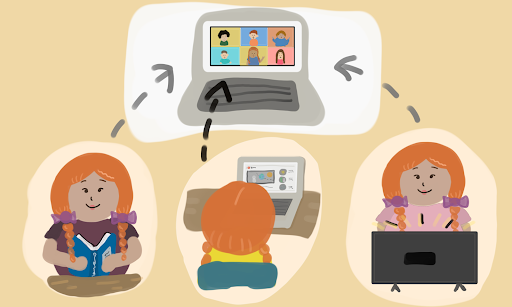
Technology has reshaped how we learn and teach. Here are some key shifts happening right now:

Let us not dismiss traditional education outright. It still teaches us discipline, social interaction, and foundational knowledge. But when it comes to the current job market and future readiness, things get interesting.
In the past, degrees were golden. Today, companies often ask: “What can you actually do?”
Schools often stick to books and exams. But tech-based education focuses on “learning by doing.”
So, while schools offer structured learning, tech-based education is outcome-focused and relevant to real work.

There is no one-size-fits-all answer. It depends on what you want to do and how you learn best.
That said, a blended approach often works best, using school for structure and technology to gain practical skills.
Not entirely. But it does need to evolve. Schools must blend their curriculum with real-world skills. Relying only on theory and marks will not prepare students for the future.
The truth is, we are moving toward a hybrid learning model where students attend school, but also build portfolios, learn new skills online, and gain global exposure.
At Wokegenics, we believe that learning should never be boring, rigid, or out of touch. That is why we build tech solutions that help students, educators, and institutions stay future-ready.
We work with edtech startups and platforms to design digital tools that adapt to each learner’s pace, interests, and goals. Whether it is building a smart learning engine or creating interactive content delivery systems, our mission is simple: make learning personal, practical, and powerful.
The world is changing, and so must education. Traditional schools gave us roots. Technology gives us wings. Instead of choosing one over the other, let us blend both worlds.
If you are an educator, a startup founder, or someone looking to upgrade learning systems, this is the moment to act. And Wokegenics is here to help you build it. Let us create smarter, more meaningful learning experiences. Together.
References:
https://hrfraternity.com/technology-excellence/the-future-of-education-how-technology-is-changing-learning.html
https://de.wikipedia.org/wiki/TryHackMe
https://www.reddit.com/r/careerguidance/comments/zntved/question_do_employers_actually_value_and_consider/
https://www.coursera.org/ca/articles/hubspot-certification
https://timesofindia.indiatimes.com/education/news/5-career-certifications-that-instantly-make-your-resume-stand-out-to-recruiters/articleshow/121575512.cms
https://github.com/rng70/TryHackMe-Roadmap
https://www.bristolstrategy.com/blog/why-it-is-valuable-to-get-hubspot-certifications
https://tryhackme.com/hacktivities
https://academy.hubspot.com/courses
https://community.hubspot.com/t5/Tips-Tricks-Best-Practices/Are-HubSpot-Certifications-Enough-for-Landing-a-Job/td-p/1037128