Invest in your mind. The rest will follow. Because online therapy platforms are eliminating taboo, improving accessibility & making mental health affordable.
In today’s fast-paced digital world, mental health is finally getting the attention it deserves. With stress, anxiety, and burnout becoming more common, people are now looking for ways to care for their minds, just like they care for their bodies. But traditional therapy can be expensive and hard to access. That is where online therapy platforms are stepping in. They are changing the way we talk about mental health, making help not only more accessible but also affordable.
Here are ten trusted online therapy platforms that are helping people get the support they need, anytime, anywhere:
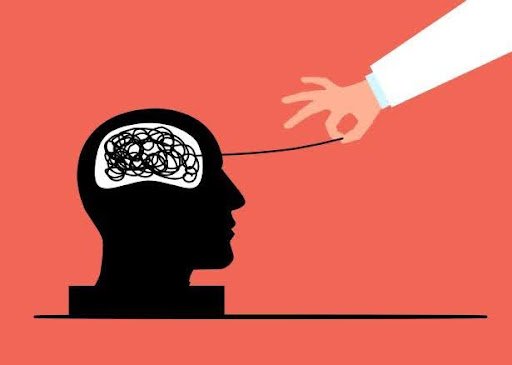
These platforms are not just offering therapy; they are driving a mental health movement. First, by raising awareness, they are using blogs, podcasts, and social media to start once taboo conversations. People are realizing that mental health is as vital as physical health.
Second, they are making therapy affordable. Traditional therapy can cost between ₹2,000–₹5,000 per session in India or $100+ globally. Online platforms slash this cost to as low as ₹500–₹1,000 per week. Subscription models and sliding scale pricing make it even easier for people to begin therapy without financial pressure.
Thirdly, these services remove logistical barriers. No travel. No long waits. Just a few clicks, and support is available.
Let’s break it down:
(i). Cost- While traditional sessions are higher per session, online mental health apps are monthly cheaper comparatively.
(ii). Access- Traditional counselors will only be available at business hours and will be limited by location. However, online therapy is available 24/7 with global support.
(iii). Comfort- One has to visit the counselor’s normal sitting place to get the help, but through online apps, one can access the therapy wherever and whenever they want with comfort and ease.
(iv). Flexibility- Traditional therapies are bound by fixed appointments, long waiting hours, and availability of the counselor. However, through online apps, it could be carried out through chat, video call, and audio messages anywhere, anytime without much wait.
(v). Stigma- Well, the taboo isn’t going to vanish in a day from society. Often we feel not to be seen by any acquaintance while visiting the clinic, or fear judgment from fellow patients. These online sessions are discreet, anonymous, and private on the personal device, as they should be.
Thus, if we comparatively analyse, while traditional therapy is powerful and effective, online therapy offers convenience, affordability, and privacy, especially for first-timers or those living in remote areas. However, BetterHelp complaints include therapist mismatches, automated replies, cancellations, and data privacy concerns. Moreover, mere online sessions are not suitable for crises, severe mental illness, and medication prescription. Thus, traditional help must be balanced effectively with online therapy sessions for better results.
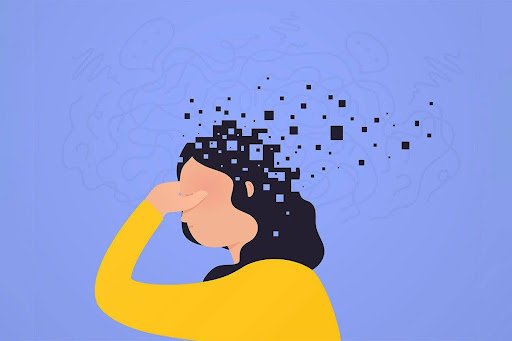
Startups like Wokegenics are bridging the gap between mental well-being and tech. By combining easy-to-use platforms with verified professionals, they are removing the fear and formality often linked to therapy. Wokegenics, for instance, focuses on workplace mental health, offering solutions that boost productivity and emotional balance at work.
With more people using apps to track mood, meditate, or connect with a therapist, tech is no longer just about convenience. It is about care. It is about giving people tools that truly help.
Mental health is no longer a luxury; it is a basic need. Online therapy platforms are leading this change, making therapy more inclusive and affordable than ever before. Whether it is anxiety, burnout, or just needing someone to talk to, help is now in your pocket. With startups like Wokegenics joining the mission, the future of mental health is not only digital, it is deeply human.

References:
aging.com+12reddit.com+12blog.opencounseling.com+12
https://blog.opencounseling.com/what-is-betterhelp-therapy/
https://onedayhit.com/cost-comparison-is-online-therapy-in-india-affordable/
https://www.reddit.com/r/therapy/comments/outg1l/horrible_experience_with_better_help/
https://www.verywellmind.com/best-online-advice-for-adhd-6455751
https://en.wikipedia.org/wiki/BetterHelp
https://www.tpointtech.com/top-10-best-online-therapy-services
https://onedayhit.com/cost-comparison-is-online-therapy-in-india-affordable/
https://www.self.com/story/before-you-see-a-therapist-consider-this
https://www.reddit.com/r/TalkTherapy/comments/inybvy/therapists_who_have_worked_with_online_talk/