Tech is changing how we predict diseases faster, smarter, & in real-time, using AI & IoT. Knowing diseases before symptoms start showing can help early cure.
Advances in technology are also a boon to humankind. Imagine getting real-time data about a health risk before any symptoms appear. Fifty years before that was a distant dream, but not anymore. With the rise of real-time disease prediction, we are stepping into a future where healthcare becomes more preventive than reactive. This shift is powered by two forces: Artificial Intelligence (AI) and the Internet of Things (IoT). Let us explore how these technologies are coming together to change lives.
Real-time disease prediction is the ability to detect or forecast potential health issues as they happen, or even before they occur. This approach does not wait for someone to fall ill. Instead, it continuously monitors signs from the body and uses smart tools to flag problems early.
How is this achieved? The answer lies in combining AI and IoT. These tools gather, analyze, and understand health patterns faster than any manual method. They spot what a human eye might miss.
Artificial Intelligence, in simple words, means machines that can “learn” from data. In healthcare, AI tools look at tons of patient information like heart rate, temperature, or past medical history to find unusual patterns.
Google’s DeepMind once developed a model to detect early signs of kidney damage 48 hours before it became critical.
These systems do not just collect numbers. They find meaning in them. The more data they get, the better they learn and the sharper their predictions become.
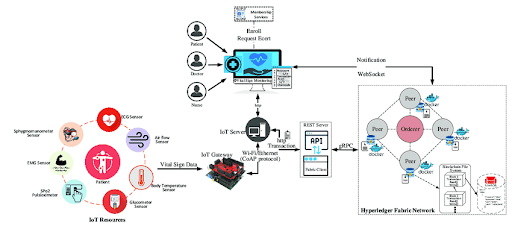
The Internet of Things, or IoT, is a network of smart devices that connect and share data. In healthcare, these devices include wearable bands, smart watches, glucose monitors, or even sensors in hospital beds.
They constantly track health metrics like:
This information is then sent to a central system, where it can be checked instantly. If something seems wrong, alerts can be raised immediately.
These devices are changing the way doctors interact with patients. Health does not need to be checked only during hospital visits. It can now be tracked around the clock.
This is not just about gadgets and software. Real-time disease prediction is a powerful step toward saving lives. By catching signs early, treatments can begin sooner. Hospitals can reduce emergency visits. Patients can enjoy peace of mind, knowing their health is being watched closely.
For teens with diabetes, elderly people with heart issues, or those living in remote areas, this technology brings healthcare to their doorstep.
At Wokegenics, we understand that health can not wait. That is why we help build smart, real-time systems for clinics, startups, and innovators who care about early disease detection. From wearable device integration to health monitoring dashboards, we offer solutions that are simple, reliable, and designed to work in real life, not just in theory. We do not just build tools. We build trust.
Real-time disease prediction is more than a trend, it is a revolution. With the right mix of AI and IoT, healthcare is becoming faster, safer, and more personal. But as powerful as the tech may be, its real strength lies in how it helps people live longer, healthier lives. Want to be part of the health tech future? Whether you are building a product or exploring smart healthcare, Wokegenics is ready to guide you. Let’s design tools that make health simple, smart, and strong.
References:
https://tap.health/can-artificial-intelligence-detect-disease/
https://www.mayoclinicproceedings.org/article/S0025-6196(19)30892-3/fulltext
https://med.stanford.edu/appleheartstudy.html
https://blog.fitbit.com/afib-irregular-heart-rhythm/
https://pmc.ncbi.nlm.nih.gov/articles/PMC6560075/
https://www.hopkinsmedicine.org/news/articles/the-icu-of-the-future