The digitisation of how we take notes has changed our perception of learning. A new trend with different challenges, these smart tools are improving the feel.
For years, we have scribbled notes in paper notebooks and carried pens in our pockets. But technology is quietly reshaping how we use things. When David Martin and Nancy Knowlton first invented the Smart Board, they paved the path to revolution in learning. These technologies were later used in the development of Smart notebooks and pens that we widely use today. These notebooks sync with cloud drives, and pens can record audio. It sounds futuristic, but it is becoming common now. So, the question is, do these smart tools improve our learning?
Smart notebooks and pens are not just high-tech gimmicks. They are working tools that blend handwriting with digital storage. Think of it this way: you are still writing with your hand, but your notes get instantly saved to your phone or laptop. They use a combination of technologies to bring this futuristic idea to life, like Optical Character Recognition(OCR) and Electromagnetic Resonance.
A smart notebook looks like any regular notebook, but the magic is in how it works. Some are reusable, i.e., you write with a special pen and wipe the pages clean when done. When we write on them, some automatically save it on the phone while others might need to be scanned using an app, which captures the writing and stores it in the cloud, sorted and searchable. They use the technology of embedded sensors and patterned paper like QR codes or micro-dots, which the digital pen’s camera detects to pinpoint the pen’s location on the page.
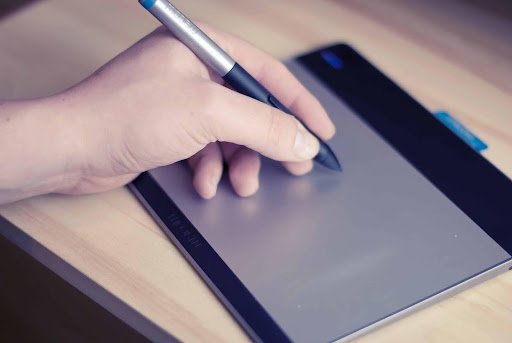
A smart pen, on the other hand, can do a whole lot more. It follows your every stroke as you write and records audio, allowing you to replay what that person was saying at the precise moment you wrote the word. A microphone can be optionally activated in the phone to allow sound to accompany each word of your notes. These pens are equipped with accelerometers and internal cameras that sense movement and contact with the writing surface and send that information to the associated device. It is great for taking notes in classes, lectures, meetings, etc., where you can not miss any important details.
Working together, they provide you with notes that are kept safe, organized, and within reach, without giving up the feel of handwriting.
1. Your Notes Travel With You
No more going through five different notebooks or worrying if you forgot your notes at home. With smart notebooks and pens, your notes get saved in digital format in the cloud and can be accessed anytime, anywhere. Whether you are on a train or sitting in a café, your work is always one tap away.
2. Writing by Hand Still Wins With a Bonus
Research keeps proving that handwriting helps you remember better. It forces your brain to slow down and process. Smart pens keep that benefit intact while making sure you never lose what you wrote. It is like having an old-school method with a backup plan.
3. They Add Audio to Your Notes
The feature that some smart pens can record what is being said while one is writing is actually useful. Later, you can tap a word in your notes and hear exactly what was spoken at that time. This helps students go over tricky lectures or catch what they missed without panic.
4. Less Clutter, Less Waste
We all had piles of half-used notebooks. Smart notebooks can be reused hundreds of times. You just wipe them clean with a cloth. This does not just save money, it also cuts down on paper waste. For anyone trying to stay eco-conscious, that is a win.
5. Sharing and Collaborating Made Easy
Smart notebooks and pens make it super easy to share your notes with others. Whether you are in an online class or part of a group project, you can instantly send your notes to classmates or colleagues. It saves time and keeps everyone aligned.
1. They Rely on Power and Devices
Unlike your simple pen and notebook, smart tools need to be charged, connected, and paired with apps. A dead battery in the middle of a lecture? Not fun. If you are someone who forgets to charge devices, this can be frustrating.
2. They are Expensive
Smart notebooks and pens cost way more than their traditional counterparts. Not every student or learner can afford them, especially when there are other academic expenses. This limits who can actually benefit from the tech.
3. They Can Be a Bit Much for Some People
Not everyone can be tech-savvy. If one is not used to syncing apps, updating firmware, or figuring out settings, these tools can feel overwhelming. Writing with a regular pen, on the other hand, needs no instructions.
4. Distractions Come Along
Since these tools are often connected to phones or laptops, distractions are a real issue. A glance to sync your notes could lead you down a rabbit hole of social media or notifications. Traditional note-taking gives you a break from screens.
5. They Lack That Creative Freedom
There is something about doodling in the margins, sticking Post-its, or using different colors freely on paper. Some smart tools limit how much of that you can do. The tactile, creative side of writing sometimes gets lost in the digital upgrade.

Yes, our learning is no doubt improving with the help of these smart tools. It is no longer limited to classrooms and blackboards. It is in our pockets, in our apps, and yes, even in our pens. Smart notebooks and pens bring a lot to the table: organization, accessibility, and the power to review and share instantly. But they also come with challenges: cost, complexity, and a learning curve. That is okay. New tools always do.
The important thing is to stay open. Some of us might always prefer paper and ink. Others might jump straight into the digital world. Whatever your choice is, one thing is definitely clear that how we write is changing. And how we learn is changing too. Maybe it is time we picked up a smarter pen or at least gave it a try.
References:
https://weartotrack.com/smart-notebook-pen/
https://doi.org/10.1177/0956797614524581
https://www.smarttech.com/about
https://us.livescribe.com/
https://getrocketbook.com/
https://www.moleskine.com/home/
https://www.resna.org/sites/default/files/conference/2016/pdf_versions/cac/ahern.pdf
https://pmc.ncbi.nlm.nih.gov/articles/PMC6697244/
https://www.researchgate.net/publication/332643447_Using_Smartpens_to_Support_Note-Taking_Skills_of_Students_With_Learning_Disabilities
https://www.sciencedirect.com/science/article/pii/S2405844021001250