Today, AI Companions are substituting real friendships, and teens are the most affected ones. They should be taught the safety concerns to use them consciously.
The era of the internet and excessive digitalness has offered social connections that are just a tap away. The new generation of teens who are practically raised by the virtual world are submerged in these ways to feel heard and seen. One of the most talked-about trends today is the rise of AI companions. These digital “friends” are always there to chat, respond kindly, and even offer emotional support. But as their popularity grows, it is time to ask, are they safe for young minds still growing and learning? Let’s talk about it.
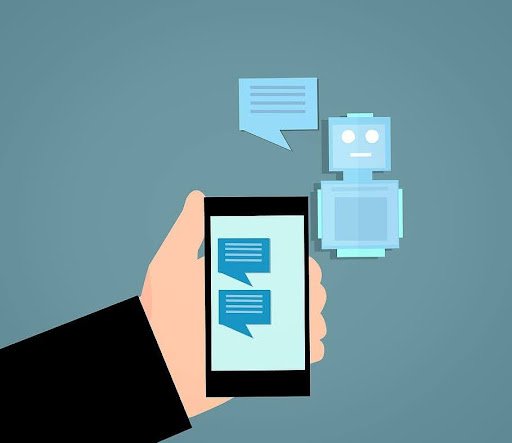
AI companions are apps or bots designed to talk like humans. They can chat about your day, give advice, or just keep you company when you are feeling low. Some are friendly and supportive. Others mimic romantic partners or therapists. They are programmed to learn from conversations and offer more “natural” replies as you interact with them.
So, why are they getting so popular? Teens today live in a digital-first world. Many feel isolated, anxious, or under pressure. AI companions feel like a safe space no fear of judgment, rejection, or embarrassment. These bots do not argue or ignore. They reply instantly, remember details, and offer comfort around the clock. For teens struggling to open up to parents or friends, this can feel like a real emotional escape.
Let us explore some kinds of AI companions that are gaining popularity:
These are designed to offer casual conversation and emotional support. Replika is a popular example. It learns your tone and habits, then adjusts how it responds. Over time, it may feel like it “knows” you. Teens often use these to talk about their feelings without fear.
Some AI apps offer flirtatious or romantic conversations. They simulate virtual relationships, which some teens use to explore feelings or emotional connections in a controlled space.
Bots like Wysa or Woebot help users deal with stress, sadness, or anxiety. They use simple language and mental health tools to guide users through tough thoughts. They are not therapists, but they offer a bit of comfort in the moment.
These apps are easy to download and often free to use. That is a big reason they are growing fast among teens worldwide.

The hard question that pertains is: Are these bots truly safe? Let’s analyse:
Most AI companion apps collect data. This includes chats, voice recordings, or habits. Teens may not know what is been stored or where it is been sent. Some apps use data to improve services. Others may share it with advertisers. Without clear privacy terms, it is hard to know what is really happening behind the screen.
Teens may grow emotionally attached to AI companions. These bots respond with warmth, but they do not feel real emotions. When teens start treating bots like best friends or partners, it can blur the line between digital comfort and real-life connection.
Some AI apps are poorly monitored. Even with content filters, users can sometimes push bots into inappropriate or suggestive conversations. This is especially worrying when teens are using romantic AI apps without supervision.
AI companions are supposed to support, but they can also lead to more screen time and fewer real-world interactions. Over time, this can make it harder for teens to build healthy relationships offline.

AI companions are here to stay. But safety must come first, especially when it comes to teens. Guardians must first be aware of these facts before handing out the door to the ‘digital world’ to their younglings. Here is how to manage it:
When teens use AI companions with awareness and guidance, the risks can be reduced, and the benefits supported.
At Wokegenics, we believe technology should empower, not confuse, young users. We help families and tech creators design better digital experiences that are safe, mindful, and built to last. If you are creating an AI product or simply navigating this space as a parent, we are here to help you get it right.
AI companions are becoming part of teen life. They can support, comfort, and even teach, but only when used responsibly. With the right balance of trust, guidance, and awareness, teens can enjoy the benefits while avoiding the pitfalls. Looking to create or use safe digital tools for teens? Reach out to Wokegenics. Let’s build tech that respects, protects, and supports young minds.
References:
https://otherhalf.ai/blog/audience/the-best-ai-companion-for-anxious-people
https://www.bbc.com/news/technology-68208313
https://www.theverge.com/2023/3/30/23662657/ai-chatbots-companions-mental-health
https://pmc.ncbi.nlm.nih.gov/articles/PMC7782516/
https://www.scientificamerican.com/article/how-close-are-we-to-having-ai-friends/
https://edition.cnn.com/2023/02/15/tech/replika-ai-chatbot-sexual-content/index.html
https://www.mozillafoundation.org/en/privacynotincluded/articles/ai-chatbots-and-privacy/
https://www.apa.org/news/press/releases/stress/2023/technology-use-children
https://www.commonsensemedia.org/articles/chatgpt-and-beyond-how-to-talk-to-your-kids-about-ai