WOKEGENICS

The Silent Spread of Deep Surveillance in Cities

The government is using technology to silently monitor through deep surveillance in cities. What does it mean for you, and what might it lead to?

Take a walk through any busy street in a metro city today, and chances are, you are deep into surveillance. Not by someone following you, but by a quiet camera mounted on a traffic light or a building corner. We hardly notice them anymore. Yet, their number is growing. And it is not just cameras, your vehicles, movements, and even phone data may be more connected than you think. This silent spread of monitoring is part of a larger system unfolding quietly across Indian cities. Let us look at how it is happening, why it is being done, and what it means for the future.

How India Is Expanding Urban Surveillance

The push for deep surveillance in India is not sudden. It has taken place gradually, under the name of smart cities, safety, and digitisation. Here is how they are unfolding:
  1. Mass CCTV Installation in Cities
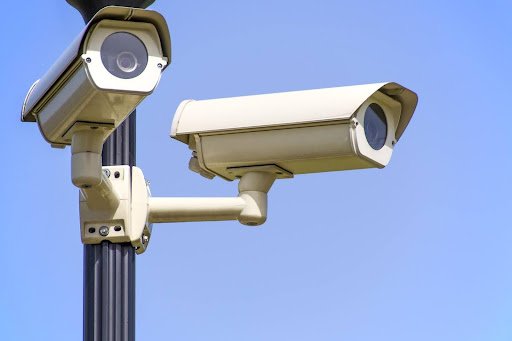
    The government has funded large-scale camera installations in major cities like Delhi, Hyderabad, Mumbai, and others. In Delhi alone, over 2 lakh cameras have been installed under the Public Works Department and various schemes. These cameras are placed in markets, housing societies, government offices, and even school areas. The goal is to keep a digital eye on public spaces for safety and order.

  2. Digital Linking of Vehicle Data
    Through initiatives like VAHAN and FASTag, vehicle ownership, registration, and movement are now traceable. E-challans are issued automatically. Traffic violations are caught without a human present. License plates are scanned in real-time. This digital vehicle monitoring system connects transport departments, police, and central databases.

  3. Aadhaar and Phone Integration
    Most of our services, from getting a SIM card to opening a bank account, now require Aadhaar. This biometric ID is connected with phone numbers, travel bookings, and even health records. With time, it is turning into a powerful tracking tool, whether intended or not.

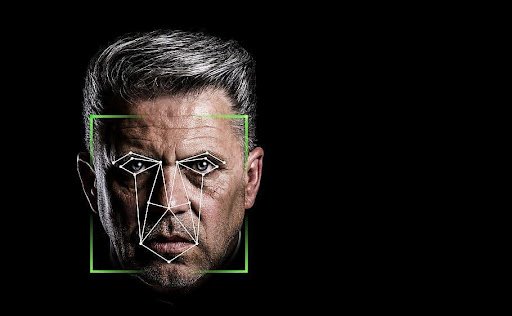
  4. Facial Recognition in Public Spaces
    Police departments in some states are testing facial recognition tools at train stations, bus terminals, and protest grounds. These systems match faces with criminal databases or persons of interest. But in the process, they also scan thousands of regular citizens without consent.

  5. Smart City Dashboards and Data Centres
    Under the Smart Cities Mission, city data is gathered and shown on real-time dashboards. Traffic movement, water use, electricity load, emergency calls; everything is monitored. This is said to improve city management, but it also raises questions about who controls this data and how securely it is stored.
Why Surveillance Is Expanding Quietly

Most of this is happening without big public announcements. Why? Because the word “surveillance” often sounds worrying. People tend to fear being watched. But when it is framed as “safety,” “smart city innovation,” or “crime control,” it seems acceptable.

The expansion is low-key because it needs to be. A lot of this data collection does not need your permission; it happens in public spaces or through services you already use. There is no legal need to ask most time.

The reasons are plenty: rising crime rates in cities, protests turning violent, threats to women’s safety, and even rising traffic indiscipline. The government wants better control, and data gives it the power to plan, act, and prevent.

What Solutions It Intends to Offer

This deep monitoring system aims to solve real urban problems. Here is what it is designed to achieve:
  1. Faster Crime Tracking
    When a crime happens, footage from cameras can help identify suspects quickly. This saves time and helps close cases faster.

  2. Better Women’s Safety
    Surveillance in buses, subways, and dark alleys is meant to make women feel safer. It helps prevent harassment and acts on complaints with proof.

  3. Improved Traffic Flow
    With smart signals and vehicle tracking, cities can manage congestion better. Data helps plan road changes and reduce jams.

  4. Emergency Response
    Monitoring allows faster spotting of fires, accidents, or protests. Dispatch teams can be sent more quickly to the right location.

  5. Planning Public Services
    Where should new lights be installed? Where do crowds gather most? Such decisions are backed by real-time numbers now, not just guesswork.

  6. Stronger Law Enforcement
    With technology doing the groundwork, police forces can focus more on response and strategy. It helps in surveillance-heavy zones like borders or sensitive areas.
Conclusion: What the Future Holds

The surveillance net is tightening, and most of us do not even notice. It is happening in the name of safety, and yes, it does help in many ways. But it also raises deeper questions: Who watches the watchers? Who protects our privacy? And what happens when mistakes are made?

At Wokegenics, we believe technology should serve people, not control them. As we build smart systems and safer cities, we also need transparent policies, digital ethics, and stronger data protections.

Because in the end, the goal should not just be safer cities, but freer citizens. Want to build tech that empowers, not just monitors? Partner with Wokegenics, where human-first innovation meets real-world needs.

References:

https://www.hindustantimes.com/cities/delhi-news/delhi-pwd-installs-over-2-6-lakh-cctv-cameras-101703308190736.html 

https://www.forbesindia.com/article/leaderboard/delhi-has-most-cctv-cameras-per-square-mile-beats-shanghai-london/70551/1 

https://vahan.parivahan.gov.in/ 

https://www.thehindubusinessline.com/info-tech/fastags-and-the-data-privacy-question/article33776330.ece

https://thewire.in/law/aadhaar-supreme-court-private-use-unconstitutional

https://indianexpress.com/article/explained/how-aadhaar-was-linked-to-sim-cards-4840367/

https://www.thehindu.com/news/national/delhi-police-uses-facial-recognition-software-to-identify-anti-caa-protesters/article30565112.ece

https://panoptic.in/

https://smartcities.gov.in/

https://www.thehindu.com/news/cities/Hyderabad/hyderabad-smart-city-command-centre/article65371357.ece 

https://scroll.in/article/1021714/why-india-needs-a-law-to-regulate-public-surveillance

https://internetfreedom.in/the-fight-against-facial-recognition/

https://timesofindia.indiatimes.com/city/delhi/cctv-footage-helped-delhi-police-crack-17k-cases-in-2-years/articleshow/89375129.cms

https://www.hindustantimes.com/cities/delhi-news/smart-traffic-signals-aid-traffic-flow-management-delhi-ncr-101679041836962.html

https://economictimes.indiatimes.com/news/india/smart-city-centres-are-improving-civic-response-times/articleshow/96990201.cms

https://www.thehindu.com/sci-tech/technology/explained-the-digital-personal-data-protection-bill-2023/article67207939.ece

https://theprint.in/tech/facial-recognition-can-make-wrong-arrests-and-still-isnt-regulated/738606/