We spent thousands on digital ads, yet our growth was modest. That is when we at Wokegenics took a hard look and made a clear shift.
Marketing comes with no direct return, no doubt, but we were actually incurring huge marketing costs. It was a moment we needed to change something. That is when our CEO came up with a brilliant idea to analyse all our platforms where we function, i.e., Facebook, YouTube, Instagram, LinkedIn, and Google, in order to find out the best-performing platform so that we can channel our resources in one direction to get maximum output. Moreover, we did the same with our products that we offer to identify the best-performing product. Thus, we conducted a data comparison to identify which one performs the best.
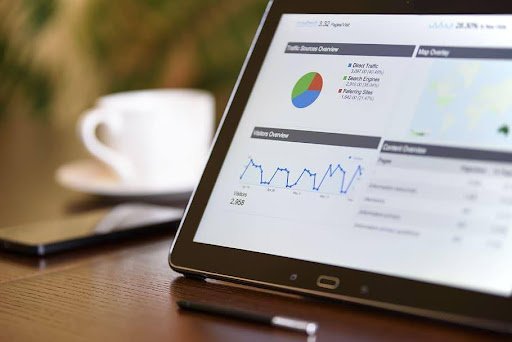
The Five Tools We Used to Analyze
Each tool gave us a clear lens into what was working and what was not.
Once we had our tracking tools in place, we moved on to the core question: Which platform truly brings us results, and which product do our customers care about the most? Let us start with platforms. We looked at five major channels where Wokegenics runs campaigns and content: Instagram, Facebook, LinkedIn, YouTube, and Google Search. Each one had its strengths, but one stood out.
Instagram led in engagement. Our tutorials and behind-the-scenes stories resonated.
Our explainer videos and product demos drove meaningful action:
Our SEO-optimized content brought in quality leads:
Paid search ads were more costly but attracted users closer to conversion.

Facebook had its strengths and limits:
Our content for businesses performed best here:
Among our tech offerings (custom SaaS development, data dashboards, UI/UX redesign, automation tools, and customer feedback systems), one solution led the charge, Smart Feedback Integrator.
This tool allows businesses to collect real-time feedback, categorize it using sentiment cues, and use it to tweak service delivery instantly. Here is why it worked:
Thus, we decided to highly optimize our resources toward the combination of Instagram Visibility and Google Ads. In addition to that, we decided to polish our best-performing service, i.e., Smart Feedback Integrator, giving us a good boost in generating leads and increasing revenue.
After 60 days of focused analysis, we reallocated 70% of our ad budget to Google and YouTube, which cut our CPA in half and grew conversions by 45%. We still keep a modest presence on Instagram and Facebook, but it is no longer cost-heavy. If you are juggling multiple platforms, focus on where the data shows real interaction and conversions, not just traffic. For us, Instagram sparked conversations, YouTube built trust, and Google sealed the deal. That is where we are putting our energy, and it is paying off.
At Wokegenics, this meant trimming losses and fueling growth. Do not spread your budget thin. Find the platforms where your customers genuinely respond, and lean in.
References:
hypeauditor.com+1edigitalagency.com.au+1.
reddit.com+4reddit.com+4reddit.com+4.
socialinsider.io
brafton.com
rivaliq.com
digimarket.net+15synapsnews.com+15hypeauditor.com+15
https://www.hypeauditor.com/blog/average-instagram-engagement-rate/
https://blog.hootsuite.com/youtube-metrics/
https://business.linkedin.com/
https://sproutsocial.com/insights/social-media-benchmarks-by-industry/